SEO for Lead Generation: How to Attract More Qualified Customers Through Search
Many businesses invest time in creating websites, publishing content, and improving their online presence. Yet, one common problem remains: getting visitors is easier than getting the right visitors.
A website can receive thousands of clicks and still generate very few inquiries. The reason is often a disconnect between SEO efforts and customer intent. Ranking for random keywords may bring traffic, but lead-focused SEO aims to attract people who are actively looking for solutions.
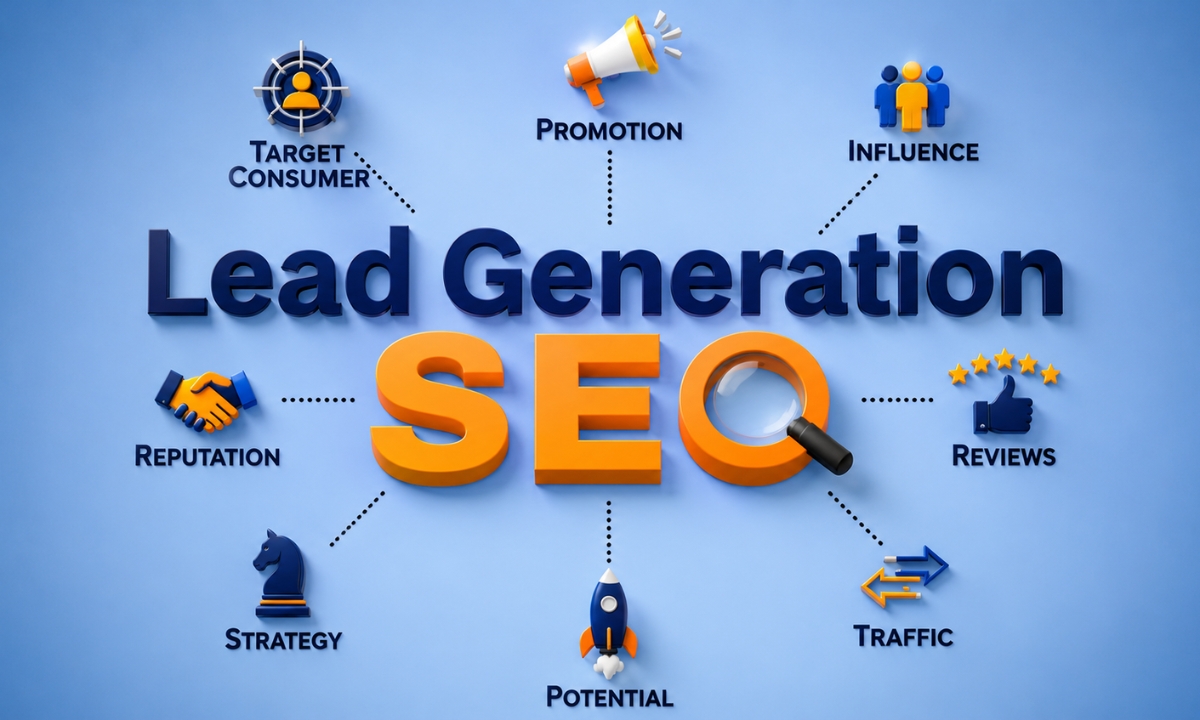
SEO for lead generation is the process of using search engine optimization strategies to attract potential customers, increase organic website traffic, and convert visitors into qualified leads. It combines keyword research, useful content, technical improvements, and conversion-focused pages to connect businesses with people searching for specific solutions.
What Is SEO for Lead Generation?
SEO for lead generation means optimizing your website so it appears in search results when potential customers are looking for information, products, or services related to your business.
Traditional SEO often focuses on increasing rankings and traffic. Lead generation SEO goes one step further. It focuses on attracting visitors who have a higher chance of becoming customers.
For example, a person searching for “how to improve website speed” may only want information. But someone searching for “website speed optimization agency” is closer to taking action.
The goal is not simply to bring more people to your website. The goal is to bring the right people.
In my experience, many businesses make the mistake of celebrating traffic growth without checking whether those visitors match their ideal customers. A smaller number of qualified visitors can often create better results than a large audience with no buying intent.
How SEO Generates Leads for Businesses
SEO generates leads by connecting your content with people during different stages of their search journey.
The process usually follows these steps:
- A person searches for a problem or solution.
- Search engines identify relevant pages.
- The user visits a helpful website.
- The website builds trust through useful information.
- The visitor takes an action, such as filling out a form, requesting information, or contacting the business.
For example, imagine a small accounting firm in London. Instead of only targeting broad keywords like “accounting,” the company creates content around searches such as “tax preparation checklist for small businesses.” That content attracts business owners who already have a specific need.
This is why search intent matters. SEO works best when your content matches what people actually want to find.
A successful SEO lead generation strategy connects three things:
- The customer’s problem
- The search query
- The solution your website provides
When these elements match, organic traffic becomes more valuable.
SEO Lead Generation Strategy: Key Elements That Drive Results
A strong SEO lead generation strategy combines research, content, optimization, and measurement. Each part supports the next.
Keyword Research Based on Customer Intent
Keyword research is the foundation of lead-focused SEO. Many businesses choose keywords only because they have high search volume. However, high-volume keywords do not always bring qualified leads. A better approach is understanding search intent.
There are three common keyword categories:
| Keyword Type | User Goal | Example |
| Informational | Looking for knowledge | “how does CRM software work” |
| Commercial | Comparing options | “best CRM software for startups” |
| Transactional | Ready to act | “buy CRM software for small business” |
A SaaS company, for example, may attract better leads by creating content around “CRM software for small teams” rather than only targeting “CRM.”
The first keyword shows a clearer business need.
I’ve seen companies spend months ranking for broad terms while ignoring specific searches that bring customers closer to a decision.
Creating Content That Attracts Potential Customers
Content plays a major role in SEO lead generation because it helps businesses answer customer questions before a direct conversation happens.
Useful content can include:
- Educational blog posts
- Industry guides
- Comparison articles
- Case studies
- Service pages
- Frequently asked questions
The key is creating content around real customer problems.
For example, a cybersecurity company could publish:
“How Small Businesses Can Prevent Phishing Attacks.” This topic attracts business owners who may later need security solutions.
Strong content should do three things:
- Answer the reader’s question
- Build trust and expertise
- Guide the visitor toward the next useful step
According to Google Search Central, creating helpful, reliable, people-first content is an important part of building a quality search experience. Content should not exist only to target keywords. It should solve problems.
Optimizing Landing Pages for Conversions
Getting visitors is only one part of lead generation. Your website must also encourage useful actions. Landing pages help turn organic visitors into leads.
A strong SEO landing page usually includes:
- Clear page title
- Simple explanation of the solution
- Benefits for the visitor
- Trust signals
- Easy contact options
- Relevant supporting content
For example, a dental clinic targeting “teeth whitening services in Manchester” should create a dedicated page explaining the treatment, process, benefits, and common questions. Sending visitors to a general homepage often creates unnecessary confusion. A focused page gives users exactly what they searched for.
SEO Strategies for Lead Generation
Different SEO areas work together to improve visibility and lead quality.
On-Page SEO
On-page SEO improves individual website pages.
Important elements include:
- Clear headings
- Relevant keywords
- Helpful content
- Internal links
- Optimized title tags
- Descriptive meta descriptions
For example, a real estate company can create separate pages for “homes for sale in Austin” and “commercial properties in Austin” instead of using one generic page. Specific pages help search engines understand the website better.
Technical SEO
Technical SEO focuses on website performance and accessibility.
Important areas include:
- Mobile usability
- Page loading speed
- Website structure
- Indexing issues
- Secure connections
A slow website can create a poor user experience. Visitors may leave before becoming leads. Google Search Console can help website owners identify technical problems and understand how pages perform in search.
Off-Page SEO
Off-page SEO improves website authority outside your own website.
Common methods include:
- Earning quality backlinks
- Building industry relationships
- Getting mentioned by trusted websites
- Creating valuable resources others want to reference
A marketing consultant, for example, may gain authority by contributing expert insights to industry publications. Quality matters more than simply collecting links.
Local SEO for Lead Generation
Local SEO is especially useful for businesses serving specific areas. It helps companies appear when people search for nearby solutions.
Important local SEO elements include:
- Google Business Profile optimization
- Location-based content
- Customer reviews
- Local keywords
- Accurate business information
For example, an emergency plumbing company in Texas can target searches like “emergency plumber near me” or “24-hour plumber in Dallas.” These searches often show strong customer intent because people need immediate help.
Content Marketing for Lead Generation Through SEO
Content marketing and SEO work together because useful content attracts search traffic over time.
A strong content strategy may include:
- Beginner guides
- Industry reports
- How-to articles
- Comparison pages
- Expert explanations
For example:
A software company could create:
- “CRM Buying Guide for Small Businesses”
- “CRM Features Every Sales Team Needs”
- “CRM vs Spreadsheet Management”
These topics support users at different stages of the buying journey. A well-planned content library can continue bringing visitors months or years after publishing.
SEO vs Paid Advertising for Lead Generation
SEO and paid advertising can both generate leads, but they work differently.
| Factor | SEO | Paid Advertising |
| Traffic source | Organic search results | Paid campaigns |
| Cost approach | Long-term investment | Continuous advertising spend |
| Speed | Usually takes time | Can generate visibility quickly |
| Trust building | Grows through useful content | Depends on ad messaging |
| Long-term value | Can continue producing traffic | Stops when campaigns stop |
Neither approach is automatically better. The right choice depends on business goals, budget, and timeline. SEO is often valuable for businesses that want sustainable organic visibility.
How to Measure SEO Lead Generation Success
SEO performance should not be measured only by rankings.
Important metrics include:
Organic Traffic
Shows how many visitors arrive through search engines.
Keyword Rankings
Helps understand whether your content is becoming more visible.
Conversion Rate
Shows how many visitors complete a desired action.
Lead Quality
A website may generate many leads, but quality matters more than quantity.
Cost Per Lead
Helps compare SEO performance with other marketing channels. Tools like Google Analytics and Google Search Console help businesses understand user behavior and search performance.
Common SEO Lead Generation Mistakes to Avoid
Many businesses struggle with SEO because they focus on the wrong activities.
Targeting Wrong Keywords
Ranking for unrelated keywords may increase traffic but not customers.
Creating Content Without Intent
A blog post should answer a real user need.
Ignoring Conversion Optimization
Traffic without clear next steps rarely creates strong results.
Focusing Only on Rankings
A first-page ranking is useful only when it attracts the right audience.
Not Measuring Results
Without tracking, businesses cannot understand what works.
Examples of SEO for Lead Generation
1. SaaS Company Creating Comparison Pages
A software company creates pages comparing different tools. Users searching these terms are often researching solutions before buying.
2. Dental Clinic Publishing Treatment Guides
A dental practice creates articles about implants, costs, and procedures. This attracts people looking for dental information.
3. Real Estate Business Creating Location Guides
A property company publishes neighborhood guides to attract buyers researching different areas.
4. Consulting Firm Sharing Expert Resources
A consulting business publishes detailed industry reports to demonstrate expertise and attract decision-makers.
5. E-commerce Brand Creating Buying Guides
An online store creates product comparison guides that help customers make purchasing decisions.
Frequently Asked Questions
How does SEO help generate leads?
SEO helps generate leads by attracting people who search for information, products, or services related to a business. It connects customer needs with relevant website content.
How long does SEO take to generate leads?
SEO results usually take time because websites need to build visibility and authority. The timeline depends on competition, website quality, and content strategy.
What type of content works best for SEO lead generation?
Content that answers customer questions, solves problems, and matches search intent often works best. Examples include guides, comparisons, case studies, and service pages.
Is SEO better than paid ads for getting leads?
SEO and paid ads serve different purposes. SEO builds long-term organic visibility, while paid ads can provide faster traffic when campaigns are active.
Can small businesses use SEO for lead generation?
Small businesses can use SEO by targeting specific customer searches, creating useful content, and improving local search visibility.
Final Thoughts
SEO for lead generation is not about chasing traffic numbers alone. It is about attracting people who have a real interest in what your business offers. The strongest SEO strategies combine customer-focused content, smart keyword targeting, technical improvements, and proper measurement. When SEO is built around user needs, organic search can become a reliable source of qualified leads over time.