Best CRM for Startups: 7 Tools Compared by Features and Cost
Choosing a CRM too early can leave a startup paying for features nobody uses. Waiting too long creates another problem: scattered customer data, missed follow-ups, and an unclear sales pipeline. The right system should organize contacts, support your current sales process, and remain manageable as the team grows. This guide compares seven options by cost, usability, automation, integrations, and scalability, with practical guidance for global startups and additional context for teams operating in the US or UK.
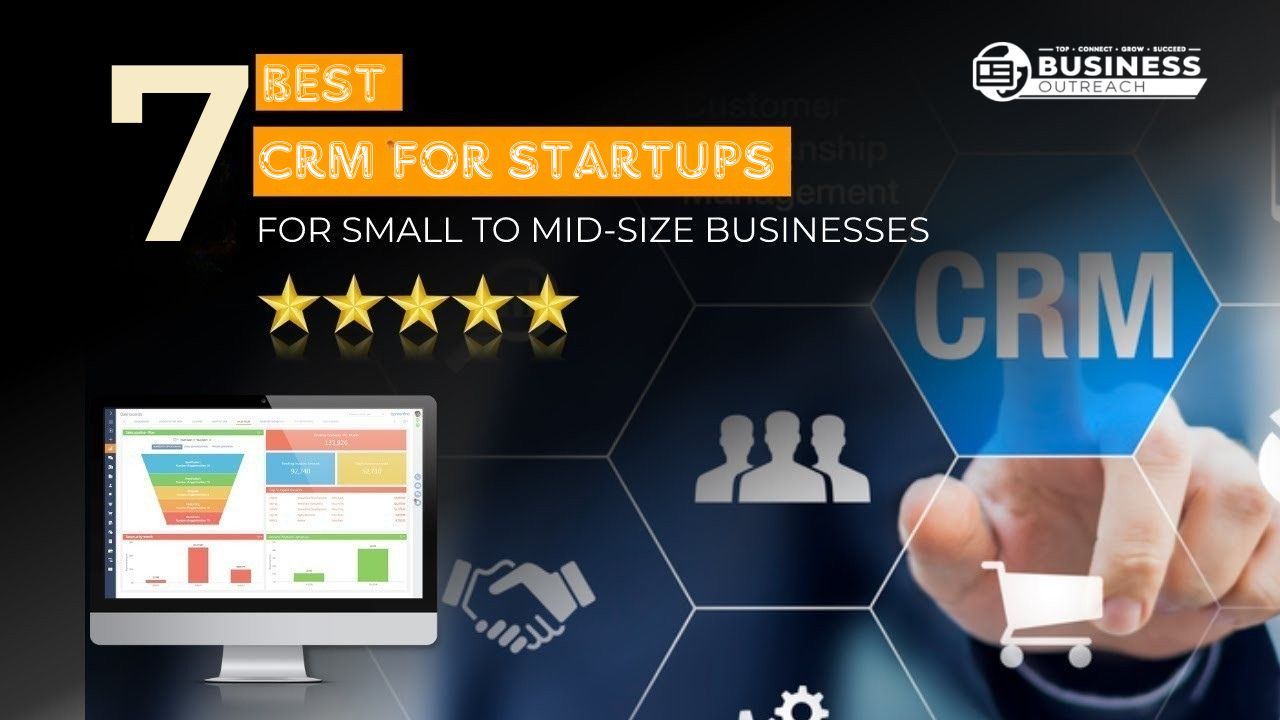
The best CRM for startups depends on team size, sales model, budget, and expected growth. CRM software examples such as HubSpot, Zoho CRM, Pipedrive, Attio, Freshsales, monday CRM, and Capsule show how different platforms can serve different startup needs. HubSpot and Zoho CRM offer useful free starting points; Pipedrive suits visual pipeline management; Attio supports flexible data models; and Freshsales, monday CRM, and Capsule serve different communication and workflow needs.
Best CRM Software for Startups: Quick Comparison
Prices reflect public US pricing checked in July 2026. Billing terms, taxes, local currency, seat minimums, and add-ons can change the final cost.
| CRM | Best for | Free option or trial | Starting paid position |
| HubSpot CRM | Broad free ecosystem | Free for two users and 1,000 contacts | Paid Starter and higher tiers available |
| Pipedrive | Visual sales pipeline | 14-day trial | Lite at $14 per seat monthly, billed annually |
| Zoho CRM | Affordable customization | Free for three users | Standard at $14 per user monthly, billed annually in US pricing |
| Attio | Flexible startup workflows | Free for three seats | Plus at $35 per user monthly on annual billing |
| Freshsales | Built-in sales communication | Free for three users | Growth at $9 per user monthly, billed annually |
| monday CRM | Cross-functional collaboration | 14-day trial | Basic at $12 per seat monthly, billed annually, from three users |
| Capsule CRM | Simple contact management | Free for two users | Four paid plans and a 14-day trial |
How We Evaluated the Best CRM for Startups
A startup CRM should solve current problems without creating a costly implementation project. In my assessment, these factors matter most.
Affordability and Pricing Transparency
Check user limits, contact limits, automation allowances, add-ons, onboarding fees, and annual commitments. A low entry price can become expensive once the startup adds sales seats or advanced reporting.
Ease of Setup and Team Adoption
A powerful CRM has little value when founders and sales representatives avoid updating it. I would prioritize a clear interface, reliable importing, simple deal stages, and fast access to daily tasks.
Sales Features, Integrations, and Scalability
Contact records, pipelines, reminders, email syncing, and activity tracking form the core. The system should also support integrations, more users, stronger permissions, and better reporting.
7 Best CRM for Startups by Use Case
1. HubSpot CRM: Best Free CRM for Startups
HubSpot combines contact management, deals, tasks, email tools, meeting scheduling, and live chat. Its free plan currently supports 2 users and 1,000 contacts, with no expiry date.
Best Suited To
It fits early-stage teams that combine sales, marketing, and service activities. A two-person SaaS startup could capture demo requests, schedule meetings, and track opportunities for free.
Main Limitation
Advanced automation, forecasting, sequences, and custom reporting sit in paid tiers. Professional plans cost far more than the free or Starter level, so founders should model future costs before committing.
2. Pipedrive: Best for Visual Sales Pipelines
Pipedrive focuses closely on sales execution. Lite includes lead, deal, contact, calendar, and pipeline management, while the platform lists more than 500 integrations. Growth adds email sync, automations, sequences, and forecasting.
Best Suited To
It works well for founder-led B2B sales. A recruitment startup could move prospects through discovery, demo, proposal, and contract stages.
Main Limitation
There is no permanent free plan. Advanced lead generation, scoring, enrichment, contracts, and stronger permissions require higher tiers or add-ons.
3. Zoho CRM: Best for Affordable Customization
Zoho CRM offers a free edition for three users. Paid plans include workflows, cadences, forecasting, dashboards, process automation, and deeper customization, with feature limits that vary by edition.
Best Suited To
It suits startups needing tailored fields and workflows. A logistics company could track shipment type, territory, contract value, and renewal date.
Main Limitation
Its many modules and settings can increase setup time. Define the sales pipeline first, then configure only the fields and automations the team will maintain.
4. Attio: Best for Flexible Startup Workflows
Attio uses adaptable objects, records, lists, enrichment, and relationship data. The free plan includes real-time contact syncing, automatic enrichment, and three seats. Pro adds sequences, permission controls, and advanced reporting.
Best Suited To
It suits data-oriented SaaS, venture, partnership, or product-led teams. A startup could connect companies, investors, partners, workspaces, and deals.
Main Limitation
Flexibility requires planning. Teams must define useful objects, attributes, and views, while the price jump from Free to Plus may be material for a growing team.
5. Freshsales: Best for Built-In Sales Communication
Freshsales combines contact management with pipelines, tasks, email, phone, chat, and a Kanban view. The free tier supports three users; Pro adds scoring, sequences, deal insights, and territory management.
Best Suited To
It works for startups wanting communication and records together. An education technology company could manage inquiries, calls, demonstrations, and follow-ups.
Main Limitation
Advanced automation, scoring, forecasting, governance, and AI capabilities are available in higher plans or as add-ons. Compare Freshsales with the wider Freshsales Suite before paying for extra marketing functionality.
6. monday CRM: Best for Team Collaboration
monday CRM brings sales workflows into its board-based environment. Plans support contacts, deals, dashboards, quotes, invoices, communication history, and automation. Basic includes 1,000 active contacts and deals.
Best Suited To
It suits cross-functional teams using visual boards. A creative services startup could connect qualification, proposals, onboarding, and delivery handoffs.
Main Limitation
There is no permanent full CRM plan, and paid plans start from three users. Dedicated sales teams may need more configuration than with a pipeline-first CRM.
7. Capsule CRM: Best for Simple CRM Setup
Capsule provides contact management, pipelines, tasks, reporting, email tools, integrations, customization, and data export. Its free plan supports two users, while paid plans add broader automation and multiple pipelines.
Best Suited To
It fits small teams replacing spreadsheets. A two-person consultancy could organize contacts, opportunities, meetings, and follow-up tasks with limited setup.
Main Limitation
Capsule may feel restrictive for complex scoring or highly customized data models. Rapidly scaling teams should test higher-volume requirements first.
Essential CRM Features for Startups
Contact and Lead Management
Every conversation, owner, note, and next action should be visible in a single record. Easy importing and duplicate control also matter when moving from spreadsheets.
Customizable Sales Pipelines
Deal stages should reflect how the startup sells. An outbound SaaS company may need prospecting and qualification stages, while a marketplace may track supplier onboarding.
Email, Calendar, and Workflow Automation
Reliable syncing reduces manual entry. Useful automation includes assigning leads, creating reminders, updating stages, and triggering follow-up tasks after meetings.
Reporting, Permissions, and Data Export
Founders need visibility into pipeline value, conversion, activity, and stalled deals. Permissions matter as the team grows, while data export reduces migration risk.

Free vs Paid CRM for Startups
When a Free CRM Is Enough
A free CRM can be enough for one to three users with a simple pipeline. HubSpot, Zoho CRM, Attio, Freshsales, and Capsule offer free plans, but each applies different limits on users, contacts, objects, or features.
When a Paid Plan Becomes Necessary
A paid plan becomes practical when the startup needs more seats, multiple pipelines, advanced automation, forecasting, sequences, stronger permissions, or detailed reporting.
Hidden Costs Startups Should Check
User and Seat Charges
Calculate the cost for founders, sales staff, operations, and managers. Some platforms require minimum seat counts or different seat types.
Add-Ons and Implementation
Email campaigns, lead generation, AI credits, enrichment, phone usage, onboarding, and migration may incur additional charges. One mistake I notice in CRM comparisons is focusing only on the lowest advertised figure.
How to Choose a CRM for a Startup
Match the CRM to Your Sales Process
Document how a lead enters, who qualifies it, what stages follow, and when a deal is won. Then test whether the CRM supports that process without excessive customization.
Founder-Led and Relationship-Based Sales
Capsule, Attio, or a simple Pipedrive setup may suit lower-volume relationships where context and follow-ups matter most.
Inbound, Outbound, and High-Volume Sales
HubSpot, Freshsales, Zoho CRM, or higher Pipedrive tiers may suit teams that need sequences, scoring, routing, and detailed reporting.
Test the CRM With Real Customer Data
Import a clean sample, create actual deals, connect email, assign tasks, and build one report. I would not judge a CRM solely on a polished demonstration.
Check Team Adoption and Scalability
Ask daily users to complete the same workflow. Review expected headcount, lead volume, territories, reporting, and integrations for the next 12 to 24 months. Avoid enterprise complexity, but do not choose a tool likely to be outgrown within one quarter.
Examples of CRM Use in Startups
B2B SaaS Startup Managing Demo Requests
A five-person SaaS company captures website forms, assigns demos, records product requirements, and schedules follow-ups. Its dashboard shows which trials need attention and which opportunities await security review.
Recruitment Startup Managing Candidates and Clients
A recruitment platform tracks employer prospects separately from candidates. Custom fields record hiring volume, job category, interview stage, and contract status.
Ecommerce Startup Managing Wholesale Accounts
A direct-to-consumer brand moves retail leads from inquiry to sample, pricing, first order, and repeat order. The team can identify accounts that have not reordered on schedule.
Common Mistakes When Choosing a Startup CRM
Buying an Enterprise System Too Early
More features create more configuration and training. Start with the smallest plan that solves the current workflow.
Choosing Features the Team Will Not Use
Daily adoption, accurate records, and consistent next actions matter more than a long feature list.
Ignoring Upgrade Costs
Model the bill at the expected user count. Include add-ons, annual commitments, onboarding, and taxes.
Customizing Before Defining the Process
Agree on lead stages, ownership, qualification, and reporting definitions before building workflows.
Failing to Plan Data Migration
Clean duplicates, standardize fields, confirm export options, and run a sample import before moving every record.
Frequently Asked Questions
What Is the Best CRM for a Startup?
The best CRM matches the startup’s sales process, budget, team size, and growth plan. HubSpot or Zoho can suit free-plan needs, Pipedrive favors pipeline clarity, and Attio supports flexible relationship data.
What Is the Best Free CRM for Startups?
HubSpot, Zoho CRM, Attio, Freshsales, and Capsule offer free options with different limits. Compare users, contacts, automation, integrations, and upgrade costs.
When Should a Startup Start Using a CRM?
A startup should use a CRM when managing leads, customer conversations, or follow-ups becomes difficult to do consistently. This can happen before a formal sales team exists.
Is HubSpot or Pipedrive Better for Startups?
HubSpot is better suited for startups seeking a broad, free platform, while Pipedrive focuses more on visual sales execution. The better choice depends on the trade-off between ecosystem breadth and pipeline simplicity.
How Much Should a Startup Spend on CRM Software?
A startup should spend only enough to support features the team will use consistently. Compare the total annual cost at the required seat count, not only the advertised entry price.
Final Thoughts
There is no universal best CRM for startups. HubSpot and Zoho CRM offer accessible free plans; Pipedrive emphasizes pipeline control; Attio offers flexibility; and Freshsales, monday CRM, and Capsule serve more specific workflows. Shortlist two or three options, test them with real data, and calculate costs at your expected team size. The best decision is usually the system your team can maintain accurately as the startup grows.