What Is One Way for an Entrepreneur to Decrease Risk?
One way for an entrepreneur to decrease risk is to create a strong business strategy before committing too much money, time, or other resources. A good strategy helps you research the market, test customer demand, plan finances, identify possible problems, and prepare alternatives. Entrepreneurship will always involve uncertainty, so the goal is not to remove every risk. The goal is to make important business decisions based on evidence rather than assumptions.
An entrepreneur can decrease risk by developing a strong business strategy. This includes researching customers and competitors, testing the business idea, estimating costs, planning cash flow, and preparing for unexpected problems. A strategy cannot eliminate business risk, but it can reduce avoidable uncertainty and help an entrepreneur make better-informed decisions.
What Is One Way for an Entrepreneur to Decrease Risk?
Creating a strong business strategy is one practical way for an entrepreneur to decrease risk. A strategy gives you a structured way to decide what the business will sell, who it will serve, how it will compete, how much it may cost to operate, and what needs to happen before you invest heavily. Without this preparation, an entrepreneur may make decisions based mainly on enthusiasm or assumptions. Those assumptions could be wrong.
For example, you might believe customers want a particular product. Market research shows that customers prefer a cheaper version or a different feature. Learning that before a large launch can prevent unnecessary spending. I would not treat a business strategy as protection against every possible problem. Its value comes from helping you identify and manage risks before they become expensive.
How Can a Business Strategy Reduce Risk?
A strong business strategy creates a decision-making framework. Instead of reacting to every problem after it appears, you think through important questions in advance. This doesn’t guarantee every decision will work. It simply makes the decision more informed.
It Identifies Risks Before Major Decisions
Every business contains assumptions. You may assume customers will buy at a certain price, suppliers will deliver on time, or monthly sales will cover operating costs. A strong strategy encourages you to identify those assumptions and ask what happens if they are wrong. Finding a weakness early is usually easier than discovering it after a major financial commitment.
It Replaces Guesswork With Evidence
Business decisions become less risky when they are supported by information. Market research, customer conversations, competitor analysis, and small-scale testing can reveal whether your expectations match actual market conditions. Evidence will never predict the future perfectly, but it gives you a better basis for choosing what to do next.
It Helps You Use Resources Carefully
Entrepreneurs often work with limited money, time, and staff. A business strategy helps decide which activities deserve those resources first. It can prevent a startup from spending heavily on offices, inventory, advertising, or technology before confirming that customers actually want the offer.
It Prepares You for Problems
A useful strategy also considers what could go wrong. If a supplier fails, sales are lower than expected, or costs increase, what will the business do? Planning alternatives does not mean expecting failure. It means avoiding a situation where one unexpected problem leaves you with no reasonable response.
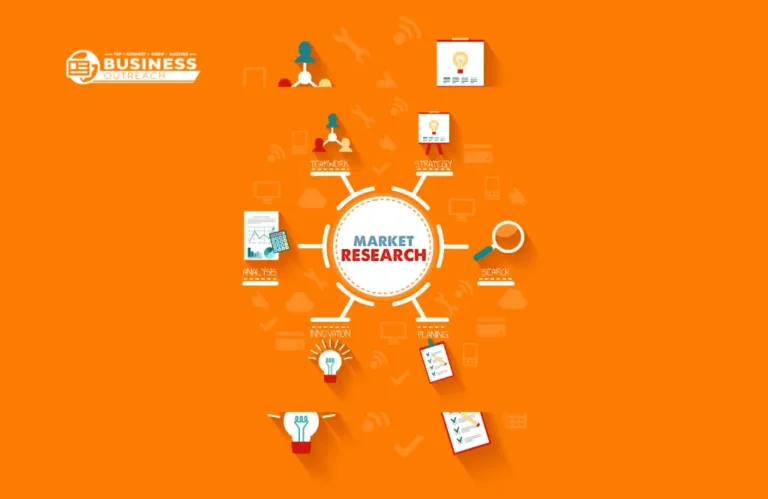
How Does Market Research Reduce Business Risk?
Market research reduces risk by helping an entrepreneur understand customers, competitors, demand, and pricing before making major decisions. It is one of the most important parts of a strong business strategy.
Understand Your Target Customer
A business needs more than a general idea of who might buy. You should understand the customer’s problem, priorities, budget, buying habits, and available alternatives. A new meal-preparation business, for example, might initially target everyone who wants convenient food. Research could show that busy office workers near a particular business district have the strongest need and willingness to pay. That information changes the strategy.
Study Competitors
Competitor analysis shows what customers can already choose. You can examine existing prices, products, customer reviews, positioning, delivery methods, and weaknesses. The purpose is not to copy competitors. It is to understand the environment before entering it.
Test Real Demand
Interest and purchasing behavior are not always the same. Someone saying, “I like the idea,” does not necessarily mean they will pay for it. Small tests can provide stronger evidence. A founder might use a simple landing page, a limited product batch, a pilot program, or a pre-launch sign-up campaign to see whether potential customers take meaningful action. In my view, market research becomes most valuable when it changes a real decision rather than simply producing a document.
How Can Entrepreneurs Reduce Risk Before Launching?
Entrepreneurs can reduce launch risk by testing important assumptions before making large commitments. Understanding how to become an entrepreneur also involves learning how to validate an idea before investing heavily in it. You don’t always need a finished business to learn whether the idea has potential.
Test the Business Idea
Start with the most important assumption. If the business depends on customers paying for a new service, find a practical way to test their willingness to buy. A tutoring company could first offer a limited weekend program before leasing a large education center. The result provides useful information at a much lower cost.
Build a Minimum Viable Product
A minimum viable product, or MVP, is a basic version of a product that contains enough functionality to test the main idea. A software startup, for instance, may first build only the feature that solves the customer’s core problem. If users don’t find that feature useful, founders can change direction before spending heavily on a complete platform.
Collect Customer Feedback
Early feedback can reveal confusing features, pricing concerns, missing benefits, or problems you didn’t anticipate. The useful question is not simply whether people “like” the idea. Ask what they would change, what alternative they currently use, and whether they would actually pay.
Start With Controlled Commitments
Large commitments increase exposure. Instead of ordering a year’s worth of inventory, a new online clothing brand might begin with a smaller batch and track which sizes, designs, and price points customers choose. That approach does not remove risk. It limits exposure while the entrepreneur is still learning.
How Does Financial Planning Decrease Business Risk?
Financial planning helps entrepreneurs understand how much money the business needs and whether its assumptions are realistic. Many promising ideas create problems when founders underestimate costs or run short of cash.
Estimate Startup Costs
List the expenses required before and shortly after launch. These might include equipment, inventory, software, insurance, licenses, marketing, rent, professional services, and wages. Estimating these costs gives you a clearer picture of the capital required.
Build a Realistic Budget
A budget helps separate necessary spending from spending that can wait. For example, a new consulting business may need reliable software and professional insurance immediately but may not need an expensive office during its first months. That distinction preserves cash.
Forecast Cash Flow
Profit and cash flow are not the same thing. A business can record sales but still struggle if customers pay slowly while expenses are due immediately. Cash-flow forecasting helps you estimate when money should enter and leave the business. It can expose potential shortages before they become urgent.
Understand the Break-Even Point
The break-even point shows how much a business needs to sell before revenue covers its costs. Knowing this figure can challenge unrealistic assumptions. If the required sales volume appears much higher than the market can reasonably support, the entrepreneur may need to change pricing, reduce costs, or reconsider the model.
How Does Contingency Planning Help Manage Business Risk?
Contingency planning prepares a business for situations that differ from the original plan. Suppose a restaurant expects a particular supplier to provide an important ingredient. If that supplier suddenly becomes unavailable, the restaurant needs another option. The same principle applies to staffing, technology, cash flow, marketing, and customer demand.
Build Alternative Options
A strong strategy can identify backup suppliers, alternative marketing channels, spending cuts, or different ways to deliver the product. You may never need every backup plan. Having options still reduces dependence on one outcome.
Decide When to Review the Strategy
Entrepreneurs should also decide which results would trigger a review. A founder might set internal targets for sales, customer retention, or cash reserves. If actual performance falls significantly below expectations, the business can reassess its strategy rather than continuing automatically. One mistake I often see in business advice is treating a written plan as the strategy itself. A real strategy changes when evidence shows that an assumption is wrong.
Examples of How Entrepreneurs Can Reduce Business Risk
Consider a coffee shop owner considering a second location. Instead of signing a long lease immediately, the owner studies foot traffic, nearby competitors, local prices, rent, and existing customer demand. A software startup can reduce development risk by testing a basic version with a small group of users. Feedback may reveal that one feature matters far more than the rest.
An online clothing brand can order a limited first batch instead of buying large quantities. Actual sales then show which designs and sizes deserve larger orders. A local plumbing company considering another service vehicle can forecast expected bookings, fuel costs, wages, insurance, and monthly cash requirements before making the purchase. Different industries face different risks, but the underlying strategy is similar: learn before committing more resources.
Strong Business Strategy vs Risky Business Decisions
| Area | Risk-Aware Strategy | Higher-Risk Approach |
| Market demand | Research customers before launch. | Assume customers will buy |
| Product | Test before scaling | Build everything immediately. |
| Finances | Budget and forecast cash flow | Spend without projections. |
| Inventory | Start based on demand evidence. | Buy large quantities early. |
| Suppliers | Prepare alternatives. | Depend entirely on one supplier |
| Growth | Expand after validation. | Scale before the model works |
The difference is not that the risk-aware entrepreneur knows exactly what will happen. The difference is that they test important decisions against more information.
What Risks Do Entrepreneurs Commonly Face?
Entrepreneurs usually manage several types of risk at once.
- Market risk appears when customers may not want the product or may not accept its price.
- Financial risk involves costs, debt, cash flow, investment, and uncertain revenue.
- Operational risk includes supplier failures, staff problems, equipment breakdowns, technology issues, or weak internal processes.
- Competitive risk develops when competitors introduce better products, lower prices, or stronger marketing.
- Strategic risk occurs when the business chooses the wrong market, product, positioning, or expansion plan.
A good strategy helps identify which risks matter most rather than treating every possible problem as equally important.
Common Mistakes That Increase Business Risk
Several avoidable behaviors can make entrepreneurship more risky. One is assuming that personal enthusiasm proves customer demand. Another is spending heavily before testing the business model.
Ignoring cash flow can also create problems even when sales appear healthy. Dependence on one major supplier or customer creates another vulnerability. Scaling too quickly is especially dangerous when the original model has not been validated. Finally, entrepreneurs should avoid treating their initial strategy as permanent. Markets change. Customer behavior changes too. Good planning includes reviewing assumptions and adjusting when the evidence changes.
Can Entrepreneurs Eliminate Business Risk?
No. Entrepreneurs cannot eliminate business risk. Unexpected economic conditions, competitors, customer behavior, supply problems, regulation, technology, and many other factors can affect a company. The purpose of risk management is therefore not certainty. A strong business strategy helps you understand what could happen, reduce unnecessary exposure, and prepare sensible responses. I would judge a strategy by whether it improves decisions, not by whether every forecast eventually proves correct.
Frequently Asked Questions
What is one way for an entrepreneur to decrease risk?
One way for an entrepreneur to decrease risk is to create a strong business strategy. Researching the market, testing assumptions, planning finances, and preparing backup options can reduce avoidable uncertainty before committing major resources.
How can entrepreneurs reduce business risk?
Entrepreneurs can reduce business risk by researching customers, validating ideas, managing finances, monitoring performance, and preparing for possible problems. These actions work best when they form part of one clear business strategy.
How does market research reduce business risk?
Market research reduces risk by showing whether assumptions about customers, competitors, prices, and demand match actual market conditions. It gives entrepreneurs evidence they can use before committing heavily to a product or market.
Why is a business plan important for reducing risk?
A business plan helps organize assumptions about the market, operations, finances, and objectives. Its greatest value comes when entrepreneurs use it as a living decision tool and update it when circumstances change.
What is risk management for entrepreneurs?
Risk management is the process of identifying, evaluating, and responding to uncertainties that could affect a business. It can involve research, financial planning, operational controls, insurance, testing, and contingency planning.
Can an entrepreneur completely avoid risk?
No, an entrepreneur cannot completely avoid risk. Starting and operating a business always involves uncertainty, but careful planning can reduce avoidable risks and improve the ability to respond when conditions change.
Final Thoughts
One practical way for an entrepreneur to decrease risk is to create a strong business strategy. That strategy becomes more useful when it includes market research, customer validation, financial planning, and contingency planning. The purpose is not to predict every future event correctly. It is to avoid making expensive decisions based only on assumptions. Entrepreneurs who test important ideas, understand their numbers, and adjust when evidence changes are better prepared to manage the uncertainty that comes with building a business.