15 Real Estate Lead Generation Ideas for More Clients
Finding property leads is rarely the hardest part of real estate marketing. The real challenge is attracting the right buyers and sellers, capturing their details, and following up before they lose interest. A reliable system usually combines local visibility, useful content, referrals, networking, and organised communication. The ideas below cover free, low-cost, and paid approaches that real estate agents and estate agents can adapt to their market, experience, budget, and available time.
Real estate lead generation involves attracting potential buyers and sellers, collecting their contact information, and nurturing them until they are ready to act. The strongest approach is to choose two or three suitable channels, create a clear follow-up process, and measure which sources produce qualified conversations.
What Is Real Estate Lead Generation?
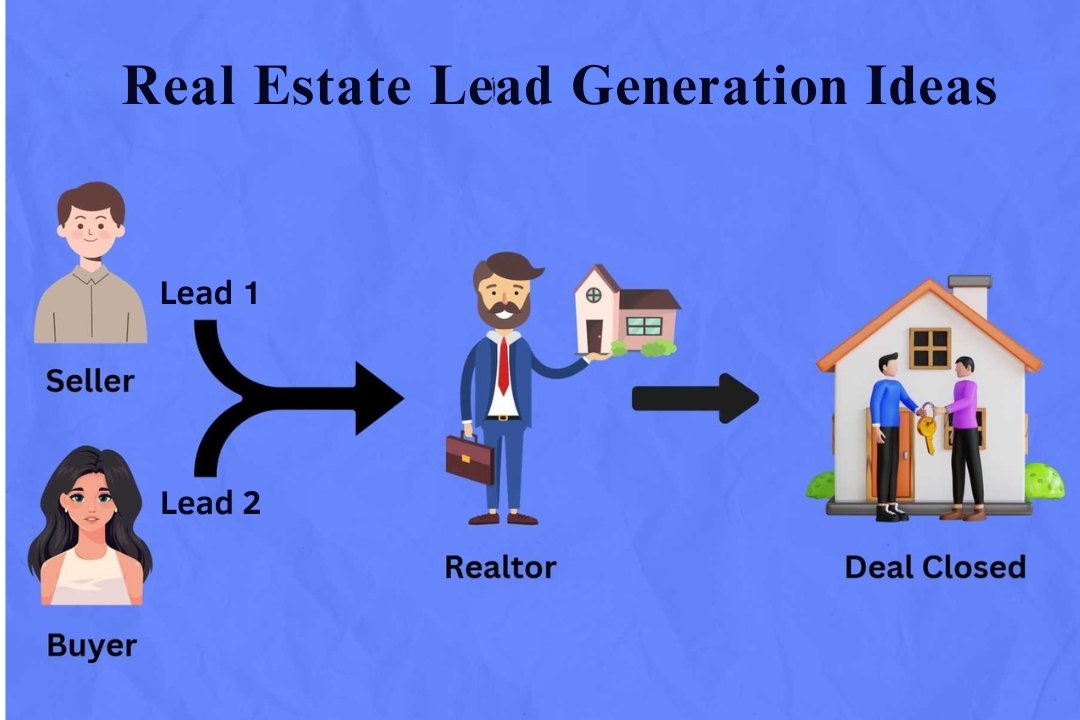
Real estate lead generation is the process of finding people who may buy, sell, rent, or invest in property. A buyer lead may be searching for a first home, investment property, or larger house. A seller lead may want a valuation, market update, or advice about preparing a property for sale. Lead generation does not end when someone submits a form. A complete system includes four stages:
- Attract the right audience.
- Capture useful contact details.
- Qualify the person’s needs and timeline.
- Follow up until they are ready to move.
The quality of this process matters more than the number of unresponsive contacts on a list.
Free and Low-Cost Real Estate Lead Generation Ideas
1. Ask Past Clients for Referrals
Satisfied clients can introduce you to people who already trust your work. Do not send a vague message asking whether they know anyone. Make the request specific. For example, ask whether they know a homeowner planning to sell within the next six months.
Timing also matters. A good moment may be shortly after completion, after a positive review, or when you send a useful market update. Keep referral messages natural. Repeated requests can damage the relationship.
2. Reconnect With Your Existing Database
Many agents focus on finding new contacts while ignoring people already in their database. Review old enquiries, previous clients, open house visitors, valuation requests, and contacts who postponed a move. Some may now have a stronger reason to act.
Segment them by interest and timeline. A future buyer should not receive the same message as a homeowner considering a sale. A short personal update usually works better than a generic newsletter. Mention something relevant, such as new listings in their preferred area or recent activity in their neighbourhood.
3. Host More Strategic Open Houses
An open house can generate more than one buyer lead. Some visitors may be active buyers. Others may be neighbours comparing values or homeowners considering a future sale.
Use a simple registration process and ask useful questions. Find out whether the visitor is already represented, needs financing, owns a property, or has a moving deadline. Follow up according to their situation. Sending the same property message to every attendee wastes useful information.
4. Build Local Business Partnerships
Local professionals often serve the same audience at different stages of a property move. Potential partners include mortgage advisers, solicitors, attorneys, contractors, removal companies, surveyors, photographers, and home improvement businesses.
The relationship should provide value to both sides. You might create a moving checklist together, host an educational session, or exchange relevant introductions with permission. Avoid treating partnerships as informal mailing lists. Trust grows when each introduction is genuinely useful.
5. Attend Community Events
Property decisions are closely connected to local communities. Business groups, neighbourhood meetings, school events, charity activities, and local exhibitions can help agents build recognition before someone needs property advice.
The goal is not to sell during every conversation. Become known as a helpful local professional. A simple discussion about housing demand, moving challenges, or neighbourhood changes can lead to future enquiries without aggressive promotion.
6. Create Short Real Estate Videos
Short videos can build familiarity faster than text alone.
Useful topics include:
- A quick neighbourhood tour
- Three mistakes first-time buyers make
- How to prepare a home for photographs
- What buyers should check during a viewing
- Common reasons property sales are delayed
Keep each video focused on one question. A clear explanation is more valuable than expensive production. For example, an agent covering suburban Manchester could create weekly videos comparing commuting options, property styles, and average buyer priorities across nearby areas.
Online Real Estate Lead Generation Ideas
7. Create Local SEO Landing Pages
Location-specific pages can attract people searching for property help in a particular area. A useful page should provide more than a list of services. Include local property types, buyer considerations, transport links, common selling concerns, and relevant neighbourhood information.
Avoid creating dozens of near-identical pages with only the place name changed. Thin local pages provide little value and are difficult to trust.
US and UK Search Language Differences
Search language varies by country. US readers may search for a real estate agent, home valuation, homes for sale, or closing costs. UK readers may use estate agent, property valuation, houses for sale, conveyancing, or completion. Use regional terms naturally. Do not force both versions into every paragraph.
8. Optimise Your Google Business Profile
A complete business profile can help local prospects find and assess you. Make sure your contact details, service areas, opening hours, website, and business description are accurate. Add recent property photographs, office images, and useful updates.
Reviews also influence trust. Ask satisfied clients for honest feedback after a completed transaction. Respond professionally to positive and negative reviews. Your reply shows prospects how you handle communication.
9. Publish Neighbourhood Guides
Neighbourhood guides can attract buyers before they are ready to contact an agent.
Cover practical details such as:
- Housing styles
- Transport options
- Shopping areas
- Parks and recreation
- Typical buyer profiles
- Common property considerations
Avoid unsupported claims about safety, schools, or future property values. Use neutral language and direct readers to official sources where necessary.
A detailed guide can also support conversations with relocating buyers who know the city but not individual areas.
10. Offer a Useful Lead Magnet
A lead magnet gives visitors a reason to share their contact details.
Useful options include:
- First-time buyer checklist
- Seller preparation guide
- Moving timeline
- Home viewing worksheet
- Local property market summary
The resource should solve a specific problem. A generic guide with obvious advice will not create much trust. Keep the form short. Ask only for information required to deliver the resource and support relevant follow-up.
11. Build Dedicated Landing Pages
A landing page should match one campaign and one audience.
Someone clicking an advertisement for a seller valuation should not arrive on a general home page. The page should explain what they will receive, who it is for, and what happens after submission.
Remove unnecessary distractions. Use a clear form and a focused call to action. A buyer guide, property alert, open house registration, and seller consultation should each have separate pages because the visitor’s intent is different.
12. Use Email Lead Nurturing Sequences
Not every lead is ready for an immediate call or appointment. Email sequences can keep your name visible while providing useful information. Buyer emails may cover financing preparation, viewing questions, and offer stages. Seller emails may explain pricing, presentation, marketing, and transaction delays.
Keep the sequence relevant to the person’s timeline. Someone planning to move next year needs a different frequency from someone already attending viewings. Review engagement and stop sending messages that no longer match the contact’s needs.
13. Run Targeted Paid Advertising
Paid advertising can create faster visibility, but it does not guarantee qualified leads. Campaigns work better when the audience, offer, landing page, and follow-up process support the same goal.
For example, a Dallas agent might promote a seller preparation checklist to homeowners in selected neighbourhoods. The landing page should discuss local selling concerns rather than generic national advice.
Start with a controlled budget. Track enquiries, appointments, qualified opportunities, and completed transactions instead of judging success by clicks alone.
Buyer and Seller Lead Generation Ideas
14. Create Property Alerts for Buyers
Property alerts help buyers receive listings that match their needs. Ask about location, budget, property type, essential features, and moving timeline. Better criteria produce more relevant updates.
Do not rely entirely on automated messages. Add personal context when a property closely matches the buyer’s priorities. A brief note explaining why a listing may suit them can create more engagement than another automated email.
15. Offer Property Valuation Content for Sellers
Many homeowners want information before requesting a formal valuation. Create content explaining what influences price, how comparable sales are used, why condition matters, and how local demand affects marketing.
Avoid promising an exact value without reviewing the property. Instant estimates can be useful starting points, but they may not reflect condition, improvements, position, or unusual features. A clear valuation guide can attract sellers who are still researching and help them understand the next step.
Real Estate Lead Generation Ideas Compared
| Lead generation idea | Typical cost | Time to results | Best suited for | Main requirement |
| Referrals | Low | Medium | Warm buyer and seller leads | Strong client relationships |
| Open houses | Low to medium | Short to medium | Local buyer leads | Consistent follow-up |
| Local SEO | Medium | Long term | Local buyers and sellers | Useful location content |
| Social video | Low to medium | Medium | Awareness and trust | Regular publishing |
| Email nurturing | Low | Medium to long | Existing contacts | Good segmentation |
| Paid advertising | Medium to high | Potentially faster | Targeted campaigns | Budget and landing pages |
No channel has a fixed cost or guaranteed timeline. Results depend on market competition, property type, local reputation, campaign quality, and how quickly leads receive a relevant response.
Examples of Real Estate Lead Generation
First Time Buyer Workshop
A Manchester estate agent hosts a free online session for first-time buyers.
The session explains deposits, mortgage preparation, viewing questions, and the basic buying process. Attendees register with their email addresses and receive a practical checklist afterward. The follow-up separates people buying soon from those planning further ahead.
Local Seller Guide
A Dallas agent creates a guide for homeowners who may sell within three months.
It covers basic repairs, photography preparation, pricing conversations, showing readiness, and common delays. The download form asks for the property location and expected selling timeline. This provides more useful context than a form requesting only a name and phone number.
Neighbourhood Video Series
A London estate agent publishes one short area guide each week. Videos compare transport, property styles, green spaces, and everyday amenities. Each video answers a specific relocation question and directs viewers to a detailed neighbourhood page. The content builds local visibility without relying on direct sales messages.
Open House Follow-Up Campaign
A New York agent groups open house visitors into active buyers, future buyers, and local homeowners. Active buyers receive relevant listings. Future buyers receive preparation guidance. Homeowners receive local market information when appropriate. The follow-up works because each group receives communication based on its likely needs.
How to Choose the Right Lead Generation Strategy
Match the Method to Your Market
A strategy that performs well in one market may produce weak results elsewhere. Luxury sellers, first-time buyers, investors, landlords, and suburban families respond to different messages. Start with the audience you understand best.
Consider Your Budget and Available Time
Organic channels usually require more time and consistency. Paid campaigns require budget, testing, and fast follow-up. Choose methods you can maintain. An unfinished video series or ignored email database will not create reliable results.
Choose Two or Three Primary Channels
Trying every idea at once makes measurement difficult. A new agent might combine community networking, short videos, and open houses. An established team could focus on referrals, local SEO, and email nurturing. Run each approach long enough to collect meaningful feedback before replacing it.
Build the Follow-Up Process First
Decide what happens after someone responds. Record the lead source, property interest, timeline, next action, and communication history. Set reminders and assign responsibility where teams are involved. A simple organised system usually performs better than a complicated tool that no one updates.
Common Real Estate Lead Generation Mistakes
Using Too Many Channels at Once
More activity does not always produce better results. Too many channels can weaken consistency and make performance difficult to measure. This is one reason B2B Lead Generation Companies often focus on a smaller number of targeted channels rather than trying to manage every possible outreach method at once.
Collecting Leads Without a Follow-Up Plan
A contact form has little value when enquiries sit unanswered. Decide who responds, how quickly, and what information they need.
Sending the Same Message to Every Prospect
Buyers, sellers, landlords, and investors have different concerns. Segment contacts before sending follow-up communication.
Focusing on Volume Instead of Lead Quality
A smaller group of relevant local prospects may be more valuable than hundreds of poorly matched contacts.
Failing to Track Lead Sources
Record which activities produce conversations, appointments, instructions, offers, and completed transactions. Without tracking, budget and time decisions become guesswork.
Frequently Asked Questions
What is the best way to generate real estate leads?
The best method is a combination of referrals, local visibility, useful content, and consistent follow-up. The right mix depends on your audience, market, budget, and existing network.
How can new real estate agents generate leads?
New agents can start with open houses, community networking, short educational videos, local partnerships, and database building. These methods can create visibility without requiring a large advertising budget.
How can I get real estate leads for free?
You can generate free leads through referrals, past contact follow-up, social content, community events, local networking, and useful neighbourhood information. These approaches still require time and consistent effort.
Can real estate agents generate leads without cold calling?
Yes, agents can generate leads without cold calling through referrals, local SEO, open houses, email, social media, partnerships, and educational content. A clear lead capture and follow-up process remains necessary.
How long does real estate lead generation take?
Lead generation can produce results within days or take several months, depending on the channel. Paid campaigns and open houses may create faster enquiries, while SEO, referrals, and content usually develop over a longer period.
Final Thoughts
Real estate lead generation works best when it is treated as a repeatable process rather than a search for one perfect tactic. Choose a small number of channels that suit your audience, create useful reasons for people to respond, and organise every follow-up. Consistent execution matters more than using every available idea. Track lead quality, appointments, and outcomes, then improve the methods that create genuine buyer and seller conversations.