Content Marketing Services: Types, Process, Tools, and Examples
Publishing content is easy. Publishing useful content consistently is much harder. A business may have strong knowledge but no clear plan. Another may publish every week without understanding its readers. Some teams create good articles, yet never distribute or measure them. This is where content marketing services can support the full process.
The goal is not to produce more words. It is to create useful material for a defined audience, publish it through the right channels, and improve it using performance data. Google advises site owners to create helpful, reliable, people-first content rather than material made mainly to influence rankings. Content marketing services help businesses research, plan, create, edit, publish, distribute, and improve useful content. They may cover blog posts, website pages, SEO content, social posts, emails, videos, visual assets, updates, and reporting.
What Are Content Marketing Services?
The Content Marketing Institute describes content marketing as a strategic approach built around valuable, relevant, and consistent content for a clearly defined audience. It focuses on helping people rather than constantly pitching products or services.
That definition explains why content marketing information guides and services involve more than writing. A broader process also decides why an article should exist, who needs it, where it will appear, and how results will be reviewed.
For example, a dental clinic may publish a guide about emergency tooth pain. Research, medical review, optimization, distribution, and future updates are separate tasks.
Content Marketing vs Content Writing
| Area | Content writing | Content marketing |
| Main focus | Producing written material | Managing the complete content process |
| Common tasks | Blogs, pages, emails | Research, strategy, creation, distribution, reporting |
| Scope | Usually one format | Multiple formats and channels |
| Final output | Finished copy | A repeatable content system |
Content writing can be part of content marketing. It does not replace the planning, distribution, and measurement around it.
What Is Included in Content Marketing Services?
The exact scope varies, but most complete services include several connected stages.
Audience and Topic Research
Good content starts with a clear reader. Research may examine customer questions, search behavior, competitor gaps, support requests, reviews, and sales conversations. These insights can also generate stronger content marketing ideas based on real audience needs rather than guesswork.
A physiotherapy clinic might find repeated questions about lower back pain after office work. That insight could lead to an article, a short exercise video, and an email for patients.
Content Strategy Services
A strategy defines what the business will publish and why. Understanding what evergreen content is can also help teams identify topics that remain useful beyond short-term campaigns. It may include audience groups, goals, content pillars, formats, brand voice, publishing frequency, and approval steps.
In my experience, weak results often begin before writing starts. Teams choose random topics, then expect every article to attract traffic or leads. A clear strategy prevents that confusion.
Keyword Research and SEO Planning
SEO planning connects topics with the words people search. It may include search intent, primary and supporting keywords, topic clusters, page structure, internal links, and updates for older pages.
Google recommends using words that people would use to find the content and placing them in useful locations, including titles and main headings. It also says there is no magical number of headings that guarantees better rankings.
Content Creation
Creation may cover blog posts, website pages, case studies, emails, social posts, video scripts, infographics, checklists, and presentations.
A software company might turn one webinar into a guide, three short videos, five social posts, and an email.
Editing and Optimization
Editing checks clarity, grammar, tone, structure, factual accuracy, originality, and search intent. Optimization may improve headings, metadata, internal links, examples, and direct answers.
One mistake I often notice is treating editing as a spelling check. Strong editing also asks whether the content answers the reader’s real question.
Distribution and Promotion
Useful content still needs a path to its audience. Distribution may include website publishing, email, social media, sales resources, partner sharing, or repurposing.
The right channel depends on the reader. A business guide may suit search and LinkedIn, while a recipe may suit search, Pinterest, or video.
Measurement and Improvement
Teams may review organic clicks, impressions, engagement, conversions, downloads, leads, or newsletter signups.
Google Search Console explains clicks, impressions, click-through rate, and average position in its Performance report. Google Analytics reports help teams monitor traffic and understand user activity.
Types of Content Marketing Services
Different businesses need different formats. These are the most common types.
Blog Content Marketing Services
Blog services cover educational articles, guides, comparisons, explainers, and topic clusters. Evergreen content examples can also help teams identify formats and topics that continue answering recurring audience questions over time. They work best when topics come from real audience needs.
SEO Content Marketing Services
SEO focused work includes keyword research, search intent analysis, content briefs, on-page optimization, internal linking, content updates, and performance checks.
The purpose is not to force keywords into every paragraph. It is to make the page easy for readers and search systems to understand.
Website Content Services
Website content includes homepages, service pages, landing pages, about pages, FAQs, and resource hubs. It should explain the offer clearly and help visitors move through the site.
Social Media Content Services
Social support may include ideas, captions, visuals, calendars, short videos, and community responses. The same post should not be copied blindly across every platform.
Email Content Marketing
Email work can cover newsletters, welcome sequences, educational campaigns, product updates, event messages, and reengagement emails.
Video and Visual Content
Visual services include video scripts, short clips, infographics, carousels, presentations, and blog graphics. These formats can make complex ideas easier to understand.
Content Repurposing
Repurposing adapts useful material into new formats. A webinar can become an article. A report can become an infographic. A long interview can produce short clips and social posts.
How Content Marketing Services Work
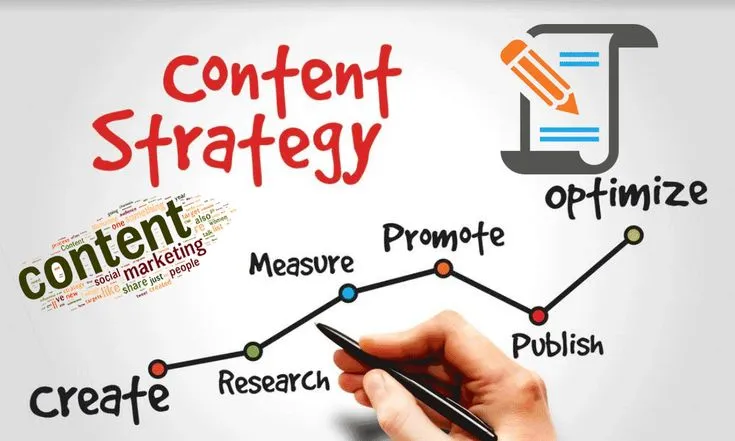
A practical workflow usually follows seven stages.
1. Define the Audience and Goal
The team decides who the content is for and what useful action should follow. That action may be learning, subscribing, requesting information, or comparing options.
2. Review Existing Content
An audit identifies outdated pages, repeated topics, missing information, weak internal links, and content that already performs well.
3. Research Topics and Keywords
Research combines customer needs, subject expertise, search demand, and competitor gaps. Search volume alone should not decide the plan.
4. Build a Content Calendar
The calendar assigns topics, formats, owners, deadlines, and channels. It should remain flexible enough for industry changes.
5. Create and Edit
Writers, experts, designers, and editors work from the same brief. Facts and examples receive a separate review.
6. Publish and Distribute
The finished piece is formatted, linked, published, and shared through relevant channels.
7. Measure and Improve
The team reviews performance, finds gaps, and updates the content. Google notes that following Search Essentials does not guarantee crawling, indexing, or ranking.
A Toronto accounting firm might publish tax guides before filing season, then update them as guidance changes.
Tools Used for Content Creation and Marketing
Tools can reduce manual work, but they do not replace judgment. The best setup depends on budget, content volume, and review needs.
| Tool | Main purpose | Useful for | Limitation |
| Grammarly | Grammar, tone, rewriting | Editing drafts | Suggestions need review |
| Hemingway Editor | Readability and clarity | Complex sentences | May oversimplify expert material |
| Semrush | SEO research and optimization | Keywords and content checks | Recommendations are not guarantees |
| Canva | Writing and visual creation | Graphics and draft ideas | Templates need customization |
| Google Docs | Drafting and collaboration | Comments and approvals | Not a full SEO platform |
| Notion or Trello | Workflow planning | Calendars and status tracking | Needs a consistent process |
| Google Analytics | Website behavior | Traffic and user activity | Data quality depends on the setup |
| Search Console | Search performance | Queries, clicks, impressions | Covers Google Search data |
Grammarly supports writing, rewriting, tone adjustment, and brainstorming. Hemingway highlights complex sentences and provides readability information. Semrush’s SEO Writing Assistant reviews SEO, readability, originality, and tone. Canva’s Magic Write can create text from prompts or transform existing text.
I’ve seen technically clean drafts fail because they lacked original insight. A human still needs to check accuracy, context, examples, and usefulness.
Google says generative AI can help with research and structure. It also warns that producing many pages without adding value may violate its scaled content abuse policy.
Content Marketing Services for Small Businesses
Small businesses often need to focus more on volume. Understanding what does evergreen mean in business can also help them prioritize topics and services built around lasting customer needs instead of short-lived trends. A simple order of priorities is:
- Understand the audience.
- Fix the main website pages.
- Choose a few strong topics.
- Build a realistic calendar.
- Distribute each piece properly.
- Measure and update what works.
A Manchester plumbing company could keep technical knowledge in-house while using outside help for research, editing, SEO, and publishing. The content team turns accurate details into clear homeowner guides.
Product facts, customer insights, legal claims, brand values, and final approval should remain close to the business.
Benefits of a Managed Content Process
Well-managed content marketing services can support more consistent publishing, clearer audience targeting, better use of internal knowledge, stronger search intent alignment, easier content reuse, and more organized reporting. Understanding the evergreen definition can also help teams prioritize topics that remain useful over time instead of relying too heavily on short-lived content. These are possible outcomes, not guarantees. Results depend on topic choice, quality, competition, distribution, website condition, and time.
These are possible outcomes, not guarantees. Results depend on topic choice, quality, competition, distribution, website condition, and time.
Honestly, I’d suggest judging the process before expecting a fixed traffic number. A sound process can be improved. A vague promise cannot.
In-House vs Outsourced Content Support
| Factor | In house | Outsourced | Hybrid |
| Brand knowledge | Usually strong | Needs onboarding | Shared |
| Control | High | Moderate | High |
| Specialist skills | Depends on the team | Often broader | Flexible |
| Capacity | Limited by staff time | Easier to expand | Adjustable |
| Cost structure | Salaries and tools | Project or retainer | Mixed |
| Best fit | Established teams | Limited internal capacity | Growing teams |
In-house work suits teams with time and specialist skills. Understanding what does a content marketing manager do can also help a business decide which strategy, production, coordination, and performance responsibilities should remain within the internal team. Outsourcing helps when the business lacks writers, editors, designers, or SEO support. A hybrid model keeps subject knowledge inside while using outside help for selected tasks.
No model is automatically better. The right choice depends on control, speed, budget, risk, and internal knowledge.
Practical Content Marketing Examples
Local Healthcare
A physiotherapy clinic creates back pain guides, short exercise videos, and appointment preparation emails. Each format answers a different patient need.
Software Business
A project management platform publishes onboarding guides, workflow templates, product comparisons, and customer examples.
Ecommerce Brand
An online skincare store produces ingredient guides, routine videos, product care emails, and seasonal FAQs. Sensitive claims receive careful review.
Professional Services
An accounting firm publishes deadline reminders, tax explainers, downloadable checklists, and email updates. Existing content is reviewed when rules change.
Home Services
A roofing company creates storm damage guides, inspection checklists, repair videos, and seasonal maintenance articles.
Common Content Marketing Mistakes
Common mistakes include:
- Publishing without a defined audience
- Choosing topics only by search volume
- Turning every article into a sales pitch
- Using AI output without fact-checking
- Ignoring distribution
- Tracking traffic without business context
- Creating new pages while old pages become inaccurate
- Copying competitors without adding value
In my experience, consistency does not mean publishing daily. It means following a realistic process and maintaining what is already online.
How to Evaluate Content Marketing Services
Before choosing a provider or process, review what is actually included.
Ask how topics are researched and who writes, edits, and approves the work. Review technical checks, revisions, ownership rights, timelines, reporting, and update policies.
Samples should match the content you need. A provider may write strong social posts but lack experience with technical guides or brand voice.
Look for clear processes instead of broad claims. Useful content marketing services should explain how decisions are made, not just promise more traffic.
Frequently Asked Questions
What do content marketing services include?
They usually include research, strategy, writing, editing, SEO, publishing, distribution, repurposing, and performance measurement. The exact scope depends on the provider and business needs.
Are content marketing services only for large companies?
No, small businesses can use selected services instead of a full package. Many begin with core website content, a simple strategy, and a manageable publishing plan.
What is the difference between content marketing and SEO?
Content marketing creates and distributes useful material, while SEO helps search engines and users discover and understand relevant pages. The two often work together.
Can AI tools replace a content marketing team?
No, AI tools can support research, drafting, rewriting, and organization, but they still require human judgment. Facts, brand voice, originality, and sensitive claims need careful review.
How long does content marketing take to show results?
There is no fixed timeline because results depend on competition, website authority, quality, distribution, and goals. Some engagement can appear quickly, while organic growth may take longer.
How can content marketing performance be measured?
Performance can be measured through clicks, impressions, engagement, conversions, downloads, leads, assisted sales, and content updates. The right metrics depend on each piece’s goal.
Final Thoughts on Content Marketing Services
Content marketing services cover much more than writing articles. They connect audience research, strategy, creation, editing, distribution, measurement, and improvement.
A business does not need every service at once. It needs the right tasks in the right order. Start with the audience and core goals. Build useful content around real questions. Choose tools that improve the workflow, then keep human review at the center.
A clear process makes content easier to manage and evaluate. The strongest approach remains simple: create something genuinely useful, place it where the right people can find it, and improve it using evidence.