What Is an Executive Summary in a Business Plan? Guide
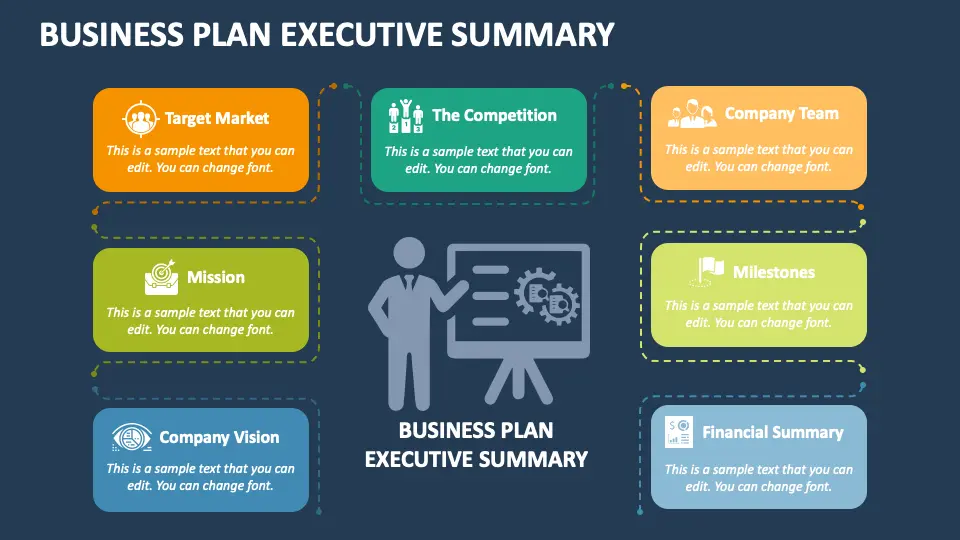
An executive summary is often the first substantial section someone reads in a business plan, so it must convey the essentials quickly. If you are wondering what an executive summary in a business plan is, think of it as a concise overview of the company, its market, business model, progress, financial direction, and goals. It should help an investor, lender, partner, or manager understand the opportunity without forcing them to read the entire plan first.
An executive summary in a business plan is a concise overview of the company, what it sells, who it serves, how it makes money, its competitive position, key financial information, and any funding requirement. It appears near the beginning of the business plan, although it is often easier to write after you write the business plan the rest of the plan is complete.
What Does an Executive Summary Do in a Business Plan?
The executive summary provides enough context for the reader to understand the business before examining detailed sections such as market research, operations, marketing, or financial projections.
Its purpose depends partly on the audience. An investor may want to understand the market opportunity, business model, traction, and growth potential. A lender may pay closer attention to current financial performance, repayment capacity, and the intended use of borrowed funds. An internal management team may care more about objectives, priorities, and upcoming milestones.
The summary should quickly answer several basic questions. What does the business do? Who are its customers? What problem does it solve? How does it generate revenue? Where does the business currently stand, and what is it trying to achieve next?
Consider a bakery planning a second location. A lender does not need every menu item in the executive summary. They need the existing business model, evidence of demand, financial position, expansion plan, and requested financing.
What Should an Executive Summary Include?
There is no universal template that works for every company. However, most useful executive summaries cover the same broad areas while adjusting the emphasis for the reader.
Business Overview and the Problem You Solve
Start by identifying the business clearly. Explain what the company does, what it sells, and which need or problem it addresses.
The reader should not have to interpret vague language to understand the business. For example, a commercial cleaning company could say that it provides scheduled after-hours cleaning services to small offices within a defined service area. That tells the reader considerably more than saying the company provides “high-quality cleaning solutions.”
A brief mission or purpose can also fit here when it adds useful context. Keep it practical. The executive summary is not the place for a long brand story. I’d make the first paragraph specific enough that someone unfamiliar with the business could explain it accurately after one reading.
Target Market and Competitive Position
Next, identify the customers the company intends to serve. Depending on the business, this could be local homeowners, small retailers, enterprise software teams, healthcare practices, manufacturers, or another clearly defined group. Briefly explain why the market presents an opportunity. You do not need to reproduce the complete market analysis. Surface only the findings that matter most.
Competitive positioning also belongs here. Explain why customers may choose the business instead of existing alternatives. Avoid statements such as “we have no competition.” Even a genuinely new product competes with alternative solutions, existing habits, or the decision to do nothing. A meal preparation company, for example, might compete with restaurants, supermarket ready meals, and home cooking rather than only other meal subscription companies.
Business Model, Traction, and Key Milestones
The summary should show how the company intends to generate revenue. A SaaS business may charge recurring subscriptions. A plumbing company may earn revenue per job. A retailer may sell products through physical and online channels. State the model clearly rather than burying it under business terminology.
If the company already operates, include the strongest evidence of progress where relevant. That might include current customers, recurring contracts, locations, completed launches, revenue progress, or major operational milestones. Early-stage companies may have less traction. In that case, the summary can focus on validated research, product development, pilot customers, or clearly defined launch milestones. The important point is accuracy. Do not present projections as achievements.
Financial Highlights and Funding Requirements
Financial information should be concise and aligned with the plan’s purpose. An established company might mention recent revenue, profitability, or expected financial direction. A startup may instead highlight forecast assumptions and capital requirements.
If funding is being requested, state the amount clearly and explain what it will finance. For example, a business seeking $150,000 could specify that the capital will fund equipment, initial hiring, inventory, and working capital for an expansion. “Seeking funding to grow” provides much less useful information.
I’d include only numbers that are supported elsewhere in the business plan. The executive summary should highlight financial information rather than introduce unexplained figures.
How to Write an Executive Summary for a Business Plan
A strong executive summary usually comes from editing and prioritising rather than simply shortening every section of the business plan.
Start With the Completed Business Plan
Although the executive summary appears near the beginning, writing it last is often more practical. By that stage, your market analysis, financial forecasts, business model, strategy, and goals should already be defined. You can then summarise confirmed information rather than guessing what later sections will say.
Writing the summary too early can create inconsistencies. You may describe one target market in the opening section and discover through research that the actual opportunity lies somewhere else. Complete the underlying work first. Then summarise it.
Select Decision-Relevant Information
Do not try to squeeze the entire business plan into two pages. I’d prioritise information that answers five questions: What is the business? Who does it serve? Why does the opportunity make sense? Where does the company currently stand? What does it need or intend to do next?
A local café seeking expansion finance does not need to describe every supplier relationship in the summary. It should mention current performance, customer demand, the proposed second location, financing requirements, and expected use of funds. That level of selection makes the summary useful instead of crowded.
Adjust the Emphasis for the Reader
The underlying facts should remain consistent, but different readers may need different emphasis.
An investor examining a software startup may care about addressable demand, recurring revenue, traction, and growth potential. A bank considering a loan to an established manufacturer may focus more heavily on financial performance, assets, cash flow, and repayment.
An internal business plan may place greater emphasis on operational priorities and milestones. Changing emphasis is not the same as changing facts. Never manipulate numbers or claims to suit a particular audience.
Support Claims and Remove Filler
Executive summaries lose credibility when they rely on phrases such as “revolutionary,” “unmatched,” or “guaranteed success.” Replace promotional claims with evidence from the plan.
Instead of saying a company has enormous market potential, briefly state the specific market problem, target customer, and supporting evidence already established in the research. I’d also remove jargon that does not improve understanding. A reader should finish the summary with a clearer picture of the business, not a longer list of buzzwords.
How Long Should an Executive Summary Be?
An executive summary should be concise enough to scan while still covering the information needed to understand the business. Many summaries fit within roughly one or two pages, but this is not a universal rule. The appropriate length depends on the company’s complexity, the overall business plan, the audience, and whether funding or detailed financial information must be addressed.
A straightforward local service business may need less space than a company entering several markets with a complex revenue model. The better test is clarity. If several pages pass before the reader understands the business and its objective, the summary probably contains too much detail.
Examples of Executive Summaries in Business Plans
The content varies by the type and stage of the business. These fictional examples show how the emphasis can differ.
Local Café Expansion
A neighbourhood café has operated profitably from one location for three years and wants to open a second site in a nearby commercial area. Its executive summary would briefly describe the current café, target customers, existing performance, evidence of demand, and expansion opportunity.
If financing is required, the summary could state the amount and explain that funds will support equipment, leasehold improvements, initial staffing, and working capital. The reader receives the expansion case without first reading the complete operating plan.
B2B Software Startup
A B2B software company might open with the operational problem it solves for a specific type of business. The summary could then describe the software, target market, subscription model, early customers or pilot results, competitive position, and growth objective.
If the company is raising capital, the funding requirement and the intended use of funds should also be disclosed. The emphasis differs from the café’s because scalability, recurring revenue, product development, and traction may matter more.
Commercial Cleaning Company
An established cleaning company serving offices could explain its service area, target clients, recurring contract model, current operations, and near-term growth plan. Suppose the company wants funding for two additional vehicles and new cleaning equipment. The executive summary should connect that investment to additional service capacity rather than simply stating that the business wants to expand.
Specific information makes the plan easier to evaluate.
Executive Summary vs Other Business Plan Sections
An executive summary is sometimes confused with the introduction, company description, pitch deck, or the complete business plan. They serve different purposes.
| Document or Section | Main Purpose | Typical Depth | Main Audience |
| Executive summary | Summarise the main business plan | Concise | Investors, lenders, managers |
| Company description | Explain the company itself | Focused | Business plan readers |
| Business plan introduction | Introduce the plan or context | Brief | General readers |
| Pitch deck | Present key points visually | High-level | Often investors |
| Full business plan | Explain strategy and evidence | Detailed | Multiple stakeholders |
The main distinction is simple: the executive summary is a section of the business plan, not another name for the entire business plan.
A pitch deck may convey some of the same information, but its format and purpose differ.
Common Executive Summary Mistakes
One common mistake is treating the executive summary as a compressed copy of every section. Copying large paragraphs from the market analysis, operations plan, and financial section usually produces an overcrowded document.
Another problem is vague language. Statements such as “our company has enormous growth potential” provide little value without evidence. A stronger summary identifies the customer need, business model, current progress, and supporting information from the full plan.
Unsupported financial projections are particularly risky. Numbers should match the assumptions and financial statements elsewhere in the business plan. Writers also sometimes hide the plan’s main purpose. If the business is requesting financing, the reader should not reach page 30 before learning how much is required. Finally, consider the audience. A technically accurate summary can still fail if it focuses on details the intended reader does not need.
Frequently Asked Questions
What Is the Purpose of an Executive Summary?
The purpose of an executive summary is to give readers a concise overview of the most important information in the business plan. It helps them understand the company, the opportunity, the strategy, the financial direction, and the goals before reviewing the detailed sections.
Should You Write the Executive Summary First or Last?
The executive summary is usually easier to write once the rest of the business plan is complete. It appears near the beginning, but writing it later allows you to summarise established research, financials, strategy, and objectives accurately.
How Long Should an Executive Summary Be?
An executive summary is usually kept short enough to review quickly, often around one or two pages. The right length depends on the business, audience, complexity, and amount of essential information.
Is an Executive Summary the Same as an Introduction?
No. An executive summary summarises the substance of the complete business plan, while an introduction primarily presents the document and its context. An executive summary therefore contains considerably more decision-relevant information.
Does an Executive Summary Need Financial Information?
An executive summary should include financial highlights when they help the intended reader evaluate the business. Funding plans, key financial performance, forecasts, or capital requirements may be relevant, but unnecessary detail belongs in the financial section.
Does Every Business Plan Need an Executive Summary?
Most formal business plans benefit from an executive summary, especially when investors, lenders, partners, or senior decision-makers will review them. A very short internal planning document may not require the same level of formal summary.
Final Thoughts
A strong executive summary does not try to reproduce every detail in the business plan. Its job is to quickly identify the information a reader needs to understand the company, opportunity, business model, progress, financial direction, and next objective. Complete the main plan first, then choose the strongest decision-relevant information. Keep claims specific, numbers consistent, and unnecessary detail out. When the summary is clear, the reader can decide whether to examine the full business plan with a solid understanding of what the business is trying to achieve.