How to Start a Trucking Business: A Practical Guide
Starting a trucking company requires more than buying a truck and finding loads. If you want to understand how to start a trucking business, begin with the business model, freight demand, operating costs, legal requirements, insurance, equipment, and working capital. You also need a clear plan for finding customers and pricing loads profitably. The strongest setup is one where the truck, freight, cash flow, and operating strategy work together from the beginning.
Starting a trucking business involves choosing a freight model, creating a business plan, estimating startup and working capital needs, registering the company, complying with applicable transportation regulations, arranging insurance, securing suitable equipment, and finding profitable freight. You also need to understand rates, fuel, maintenance, cash flow, and ongoing compliance before expanding beyond your first truck.
What Kind of Trucking Business Should You Start?
Before registering the company or purchasing equipment, decide what type of trucking operation you want to run. You might operate as an owner-operator with one truck, build a small fleet, work locally, cover regional routes, or handle long-distance freight. Your freight could involve dry vans, refrigerated goods, flatbeds, local deliveries, or dedicated customer contracts.
This decision affects almost everything that follows. A refrigerated operation, for example, has different equipment and maintenance needs from a dry van business. A local delivery company may also structure its routes, staffing, and customer relationships differently from a long-haul carrier. 12 unique business ideas can also be useful if you are comparing trucking with other business opportunities. Choose the freight model first. Then select equipment and costs around that model.
How to Write a Trucking Business Plan
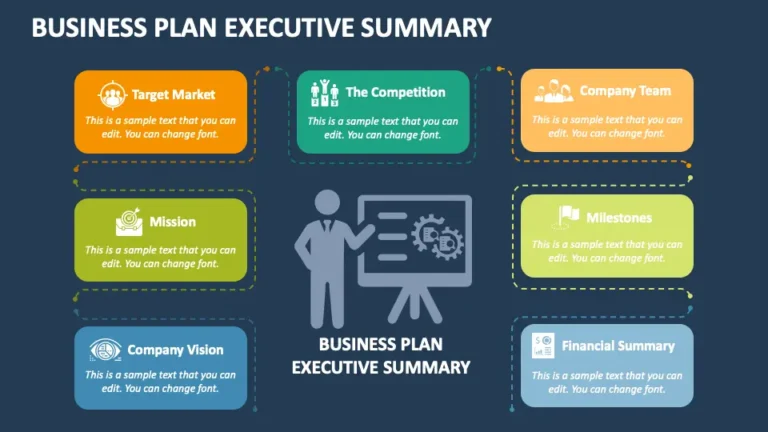
A trucking business plan should explain how the company will operate and make money rather than describe the business idea.
Start by defining your freight type, target customers, service area, equipment, and competitive position. Then estimate startup costs, monthly expenses, freight rates, revenue assumptions, working capital, maintenance, and customer acquisition.
Your plan should also answer practical questions. Will you drive the first truck yourself? Will you rely mainly on freight brokers or pursue direct shippers? How much cash will remain available if the truck needs an unexpected repair? For example, a one-truck regional dry van operation might use a financed vehicle, initially source freight from brokers, gradually develop direct customers, maintain a repair reserve, and expand only when the first truck produces consistent results. Treat financial forecasts as assumptions to test, not guaranteed predictions.
How Much Does It Cost to Start a Trucking Business?
There is no single amount that accurately represents the startup costs of a trucking business. The required capital depends on the truck and trailer, financing arrangement, freight type, insurance profile, location, permits, and the operation’s working capital needs.
Initial expenses may include:
- Truck purchase or down payment
- Trailer and equipment
- Registration and permits
- Insurance deposits
- Business setup costs
Operating capital must cover expenses such as fuel, maintenance, tyres, loan payments, driver wages where applicable, parking, tolls, administration, and unexpected repairs. One of the most common budgeting errors is treating the cost of acquiring the truck as the full startup cost. I’d treat working capital as part of the cost of starting the business, not as money to find after the first cash shortage.
How to Start a Trucking Business Step by Step
1. Register the Business and Separate Its Finances
Create an appropriate legal business structure for your country and circumstances, then complete the required registrations.
A separate business bank account also makes it easier to track revenue, fuel, repairs, insurance, financing, and other costs. Mixing personal and business spending can make financial performance much harder to understand.
Set up basic bookkeeping from the start. You should be able to see what each truck earns, what it costs to operate, and whether actual expenses match the assumptions in your business plan. Good record-keeping becomes even more important if the company later adds drivers or vehicles.
2. Get the Required Trucking Licences and Authority
Transport regulations depend on where and how you operate. In the United States, companies may be subject to FMCSA safety registration and commercial operating authority requirements depending on their operations. FMCSA states that companies subject to its safety registration requirements need a USDOT Number, while many for-hire interstate carriers also require operating authority. State registration requirements may also apply.
Great Britain uses a different operator licensing system. GOV. The UK provides separate guidance for goods vehicle operators, including requirements that vary by vehicle type and the nature of the operation. Do not rely on a generic online checklist. Confirm the requirements that apply to your vehicle, freight, operating area, and business model before taking loads.
3. Arrange the Right Commercial Insurance
Insurance should be included in your financial planning before the truck begins operating. Depending on the operation, coverage may involve vehicle liability, physical damage, cargo-related protection, and other business risks. Requirements vary by jurisdiction, freight, vehicle type, and operating authority.
For US carriers that require FMCSA operating authority, insurance and financial responsibility requirements depend partly on the authority, cargo, and vehicle involved. Get realistic quotations early. Insurance can materially affect whether the business model works, especially for a new carrier with limited operating history. Do not build your pricing model using an insurance estimate that has never been confirmed.
4. Buy, Finance, or Lease the Right Truck
The best truck is not necessarily the newest or cheapest one. It is the vehicle that fits your freight, routes, budget, and operating plan. Buying outright avoids monthly vehicle finance payments but requires more upfront capital. Financing preserves some cash but adds regular debt payments. Leasing may reduce the initial ownership commitment, although contract terms and usage restrictions need careful review.
Used trucks can reduce purchase cost, but maintenance history matters. A lower purchase price can prove expensive if frequent repairs lead to both workshop bills and lost operating time. Before buying used equipment, examine its condition, service history, likely maintenance requirements, and suitability for the work you expect to perform. From a planning perspective, downtime is both a repair expense and a lost revenue problem.
5. Calculate Your Operating Cost and Set Rates
A freight rate only makes sense when you know what it costs to run the truck. Your calculations should consider fuel, insurance, truck payments, maintenance, tyres, driver costs, tolls, administration, taxes where applicable, and other overhead.
You also need to consider deadhead miles, which are miles travelled without a paying load. The truck still consumes fuel and time during those miles. Imagine one load pays well but requires a long empty trip before pickup and another long repositioning trip after delivery. Its headline rate may look attractive, while the overall trip yields a weak margin. Gross revenue is not profit. Track actual operating costs regularly because fuel consumption, repairs, freight patterns, and other expenses can differ from your original estimates.
6. Find Loads and Build Customer Relationships
Understanding how to get loads for a trucking business is essential, but volume alone should not be the goal.
New carriers may find freight through:
- Freight brokers
- Load boards
- Direct shippers
- Local businesses
- Dedicated contracts
- Referrals and industry relationships
Load boards and brokers can be useful when establishing operations because they provide access to available freight. Over time, direct customer relationships may provide another source of business and reduce dependence on whichever load is available. Evaluate the complete economics of every lane.
Consider the rate, loaded miles, empty miles, delivery location, waiting time, fuel requirements, and the probability of finding suitable freight afterwards. A load that keeps the truck moving is not automatically profitable.
7. Manage Cash Flow, Maintenance, and Compliance
A trucking company can have plenty of work and still experience cash flow pressure. Fuel, tolls, wages, repairs, and other operating expenses may need to be paid before a customer settles an invoice. That timing gap is one reason working capital matters. Maintenance also needs to be planned rather than treated as an occasional surprise. Building a maintenance reserve can help the company absorb routine work and unexpected repairs without immediately disrupting normal operations.
Compliance is ongoing as well. Registration, safety, maintenance, driver, insurance, and record-keeping obligations can continue after the initial setup. Compare actual results with your trucking business plan. If fuel, maintenance, rates, or customer payment times differ significantly from expectations, update the plan rather than continue with outdated assumptions.
8. Add Drivers or Trucks Only When the Numbers Support It
Growth does not simply mean buying more trucks. Before adding another vehicle, determine whether freight demand is consistent enough to support it. Consider driver availability, wages, financing, insurance, maintenance, administration, and the extra working capital required.
Suppose an owner-operator frequently turns down suitable loads. A second truck may look like the obvious solution. But if finding a reliable driver significantly raises labour and insurance costs, the economics may change. I’d avoid expanding the fleet until the first truck’s actual costs and margins are understood. More trucks can increase revenue, but they also increase fixed costs and operational complexity.
Owner-Operator vs Small Fleet
Neither model is automatically better. The right choice depends on capital, operating experience, available freight, management capacity, and growth goals.
| Factor | Owner Operator or One Truck | Small Fleet |
| Startup capital | Usually lower | Usually higher |
| Operational complexity | Lower | Higher |
| Driver management | Limited or none | Often required |
| Revenue capacity | Limited by one truck | Potentially higher |
| Administration | More manageable | More complex |
| Downtime exposure | One breakdown can stop most revenue | Capacity may remain elsewhere |
| Growth potential | More limited initially | Greater scaling potential |
Starting with one truck can make it easier to learn the business’s economics before taking on the complexity of multiple vehicles.
Examples of Starting a Trucking Business
One Truck Owner-Operator
An experienced driver decides to operate independently with one truck on regional routes. Before launching, they estimate the requirements for financing, insurance, fuel, maintenance, deadhead, and personal income. They use brokers to build initial freight volume but track which lanes consistently produce workable margins. Expansion remains secondary until the first truck produces predictable results.
Local Trucking Company
A small operator focuses on moving goods for businesses within a limited geographic area.
Because long-distance mileage is not the main focus, the plan places greater emphasis on scheduling, repeat customers, loading delays, vehicle utilisation, fuel, and the number of jobs that can realistically be completed each day. The company focuses on the economics of local service rather than copying a long-haul model.
Small Fleet Adding a Second Truck
A one-truck business receives more suitable freight than it can regularly accept. Before adding another vehicle, the owner reviews financing, driver costs, insurance, maintenance, expected utilisation, and available cash. If the second truck only works when every week goes perfectly, expansion may be premature. A stronger plan allows for repairs, slower periods, and normal operating uncertainty.
Common Trucking Business Mistakes
One major mistake is buying equipment before deciding what freight the business will pursue. The truck should fit the operation, not force the company into whatever freight happens to suit the truck. Another problem is focusing heavily on revenue while overlooking the costs required to earn it. Fuel, maintenance, empty miles, financing, insurance, and downtime can change the economics of an apparently attractive load.
New operators may also underestimate working capital, rely too heavily on one broker or customer, ignore maintenance reserves, or expand before the first truck becomes financially stable. A business plan can help identify these issues, but planning should not continue forever without testing the market. Speak with potential customers, review available freight options, obtain actual quotations, and replace assumptions with evidence wherever possible.
Frequently Asked Questions
How Much Does It Cost to Start a Trucking Business?
There is no universal startup amount because truck cost, financing, insurance, freight type, equipment, regulations, and working capital vary. Build a budget around your specific operating model rather than relying on one industry average.
Can You Start a Trucking Business With One Truck?
Yes, a trucking business can begin with one truck if the owner has the required legal setup, suitable equipment, enough operating capital, and access to viable freight. A one-truck model can also make costs easier to understand before expanding.
Do You Need a Trucking Business Plan?
A trucking business plan is useful because it connects freight, equipment, startup costs, rates, customers, cash flow, maintenance, and growth assumptions. Even a relatively small operation benefits from having these numbers and decisions documented.
Is It Better to Buy or Lease a Truck?
Neither option is universally better. Buying, financing, and leasing involve different upfront costs, payment commitments, maintenance considerations, and contract terms, so the choice should fit your capital and operating strategy.
How Do Trucking Companies Find Loads?
Trucking companies can find loads through freight brokers, load boards, direct shippers, local contracts, dedicated freight relationships, and referrals. The goal should be to find freight that fits the truck’s costs and routes, not simply to keep the vehicle busy.
Is Starting a Trucking Business Profitable?
A trucking business can be profitable, but profitability depends on freight rates, utilisation, fuel, maintenance, insurance, financing, driver costs, deadhead, downtime, and financial discipline. Revenue alone does not indicate whether the operation is financially healthy.
Final Thoughts
Starting a trucking company is not mainly about owning a truck. The business needs suitable freight, realistic rates, sufficient working capital, appropriate regulatory setup, dependable equipment, controlled maintenance, and disciplined cash flow management. A practical business plan brings those pieces together and gives you assumptions to measure against real results. Start by understanding the economics of the first truck. Once those numbers are working consistently, you will be in a stronger position to decide whether adding drivers, equipment, or new markets makes financial sense.