Why SEO Is Important for Small Business
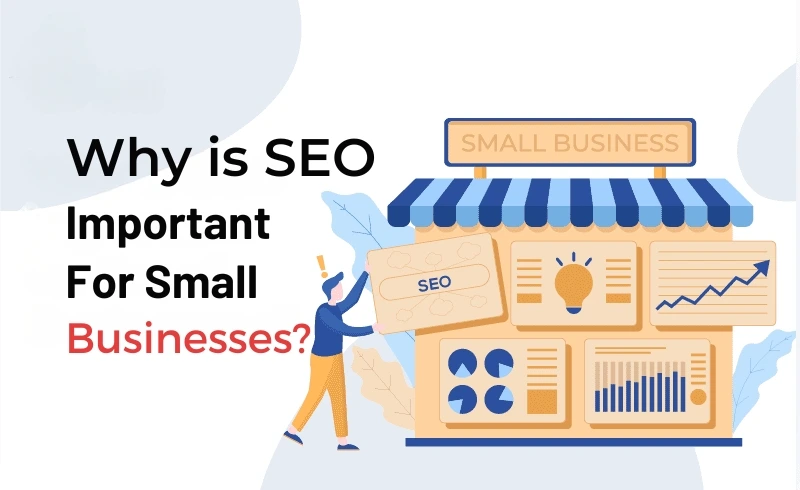
People search Google for things they want to buy every single day. Someone needs a plumber. Someone wants a birthday cake by Friday. Someone is looking for a bookkeeper because tax season is coming. The question is simple: when they search, do they find you? That’s really why SEO is important for small business owners. It puts you in front of people at the exact moment they’re looking, and you don’t need a big marketing budget to make it work. I’ve watched tiny businesses outrank companies ten times their size just by doing the basics consistently. Let me walk you through what SEO does for a business like yours, how long it takes, and where to start.
What Is SEO, in Plain English?
SEO stands for search engine optimization. In plain terms, it’s the work you do so Google can find your website, figure out what you offer, and show it to people searching for it.
I like to explain it this way. Imagine your shop sits on a quiet back street. The inside can be perfect, but if nobody walks past, nobody buys. SEO moves your shop onto the main road. Online, the main road is the first page of Google.
The actual work isn’t mysterious. You use the words your customers type into Google, you keep your site fast and easy to use on a phone, and over time, you earn links and mentions from other trusted websites. That’s most of it.
How Does SEO Help Small Businesses?
SEO helps small businesses appear in Google search results when potential customers are actively looking for their products or services. Instead of paying to interrupt people who may not care, you show up for the people who already want what you sell.
Think about someone typing “emergency plumber near me” at 11 pm. They aren’t browsing. They have water on the floor, and they’ll call whoever shows up first. Being visible in that search is worth more than a hundred flyers, and it keeps working around the clock, even when your shop is closed.
6 Reasons SEO Matters for Your Small Business
1. Your Customers Are Already Searching on Google
Most buying decisions start with a search now. People compare local services, read reviews, and look up businesses before spending anything. If you don’t show up in those searches, customers simply never learn you exist. The ones who do show up win by default. I’ve seen average businesses beat better ones for years just because they were easier to find online.
2. It’s More Cost-Effective Than Paid Ads
Google Ads works like a taxi meter. Traffic comes as long as you keep paying, and it stops the minute you don’t. SEO is different. Unlike paid ads, SEO keeps working long after the initial effort, which makes it one of the most cost-effective marketing channels a small business can invest in. A page you optimize this month can still bring in customers next year without any extra spend. For a business on a tight budget, that matters a lot.
3. It Builds Trust and Credibility
People trust what Google shows them at the top. When your business appears on the first page, customers tend to assume you’re established and legitimate, even if they’ve never heard of you. It works the other way too. If someone searches your business name and finds almost nothing, they get suspicious and quietly move on to a competitor.
4. Local SEO Brings Nearby Customers to Your Door
If you serve a specific area, local SEO is probably the most valuable thing on this list. Searches like “coffee shop near me” or “accountant in Leeds” come from people ready to visit or call today. Many of those results come from the map listings, which pull from your Google Business Profile. Show up there, re and you’re in front of neighbors who need you right now, not someday.
5. You Can Compete With Bigger Businesses
You don’t need to beat the big brands on the big keywords. A national company might own “accounting software,” but nobody is fighting hard for “bookkeeping help for food trucks” or “how to price wedding cakes.” These longer, more specific searches are easier to rank for, and the people typing them are usually closer to buying. Pick enough of them, and the traffic adds up quietly.
6. It Teaches You About Your Customers
SEO also gives you free customer research. Google Analytics and Google Search Console show what people searched before finding you, which pages they read, and where they left. Sometimes you find surprises in there. A common one: people keep searching for a service you actually offer but never mention anywhere on your website. Fixing that takes an hour and can bring in business for years.
How Long Does SEO Take to Work?
Most small businesses start seeing meaningful SEO results within three to six months. Competitive industries can take a year or more. If someone promises you first-page rankings in two weeks, keep your wallet closed.
The mistake I see constantly is quitting too early. An owner tries SEO for six weeks, sees nothing, decides it doesn’t work, and stops right before things start moving. Google needs time to crawl your changes, watch how visitors respond, and build trust in your site. There’s no shortcut for that part.
The upside is that results build on each other. Month six is usually better than month three, and month twelve is better again. Ads stop the day you stop paying, but SEO work stays with your site.
Where Should a Small Business Start With SEO?
For small businesses that serve a local area, claiming and optimizing a Google Business Profile is the single most impactful first step in SEO. It’s free, and you can finish the basics in an afternoon.
After that, a simple order of operations:
- Claim your Google Business Profile. Fill in everything: hours, photos, services, and start collecting genuine reviews.
- Fix your website basics. It should load fast, work properly on phones, and say clearly what you do and where.
- Write titles the way customers search. Use the words a customer would type, not industry language.
- Publish content that answers real questions. One genuinely useful page beats ten thin ones.
- Repeat monthly. Small, boring, consistent actions win this game.
A few free and affordable SEO tools for small businesses make these steps easier, especially keyword research and rank tracking. You don’t need paid tools on day one, though.
FAQ
Is SEO worth it for small businesses?
For most small businesses, yes. It targets people already searching for what you sell, it keeps working after the initial effort, and you can start with almost no budget. The real cost is time and patience, which is also why so few of your competitors stick with it.
How much does SEO cost for a small business?
Doing it yourself mostly costs time. Freelancers and agencies usually charge anywhere from a few hundred to a few thousand dollars a month, depending on your market. A sensible path for many owners: handle the basics yourself first, then pay for help once the business can afford it.
Can I do SEO myself, or do I need an agency?
You can handle the fundamentals on your own. Google Business Profile, basic on-page fixes, and helpful content are all learnable. An agency makes sense when you’re short on time, your market is very competitive, or you need technical work done. Start yourself, and outsource later if growth demands it.
What’s the difference between SEO and paid ads?
Paid ads bring traffic immediately and stop the moment you stop paying. SEO takes months to build but keeps delivering without ongoing ad spend. They aren’t enemies, either. Plenty of businesses run ads for quick results while their SEO builds up in the background.
Does AI search change SEO for small businesses?
It changes where answers appear, not what wins. AI Overviews and tools like ChatGPT summarize search results directly, and they tend to pull from content that answers questions clearly and specifically. For small businesses, the advice stays the same: publish genuinely helpful content, because that’s what these tools cite.